
Portobello was discovered by Christopher Columbus, in 1502 during his 4th trip to the new world. Because of the perfect harbour and location, it was chosen as the shipment center for the riches coming from Central and South America. From this port, large quantities of gold and silver were shipped back to Seville, the capital of the Spanish Empire. Between 1574 and 1702 forty five fleets of galleons, each carrying no less than 30 million pesos made the trip.
In 1668, Henry Morgan, who worked the Spanish Main came calling. With an assault troop of 40 men he managed to take the town, the small troop of defenders put up little resistance and were overcome. Morgan demanded 100,000 pesos in order not to destroy the population.
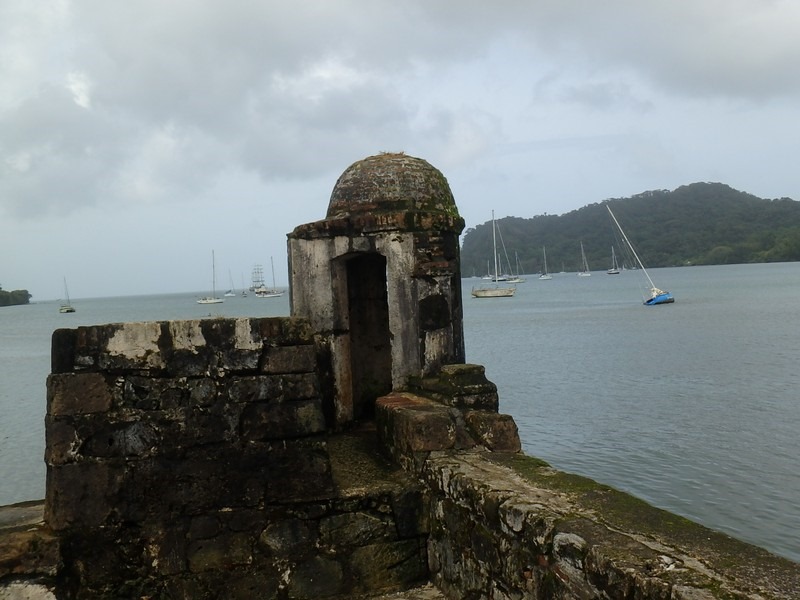


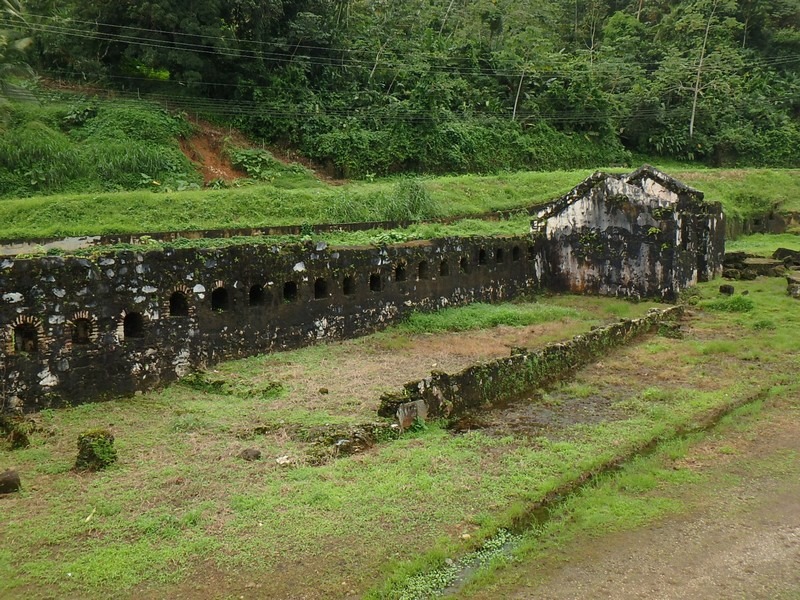


The Customs House, built in 1630, attacked in 1644, reconstructed in 1760, only to be damaged by a strong earthquake in 1882. It is so nice to see this beautiful renaissance building, which was formally the Governors’ office and merchandise warehouse being restored.

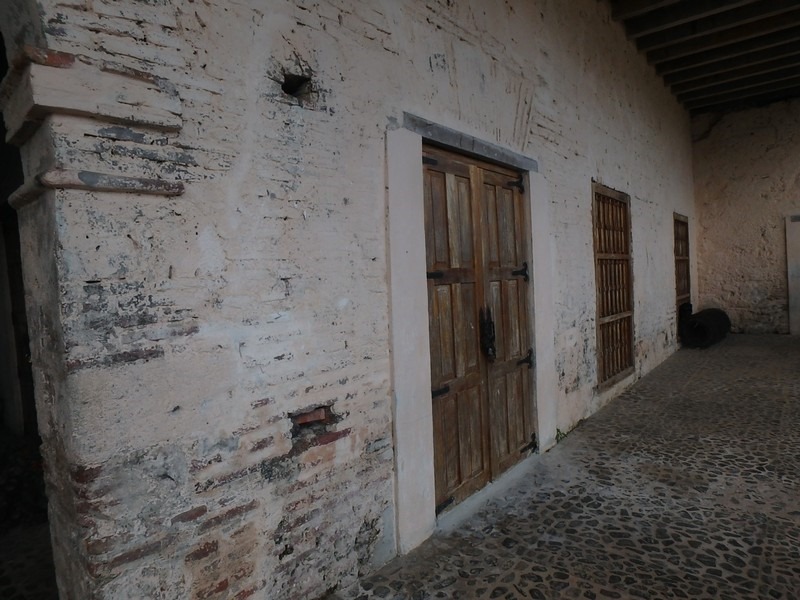


The hills on the north side of the road, hold more parts of this fort system, hidden by the vegetation.
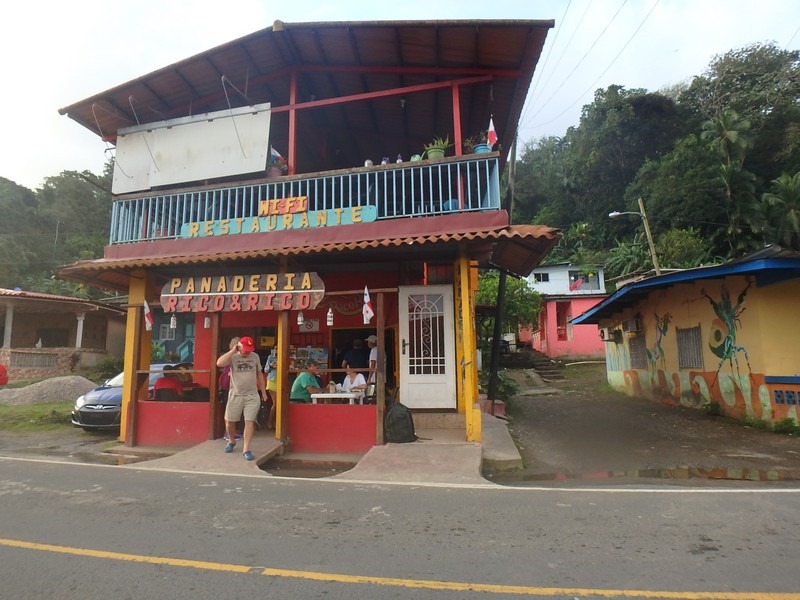


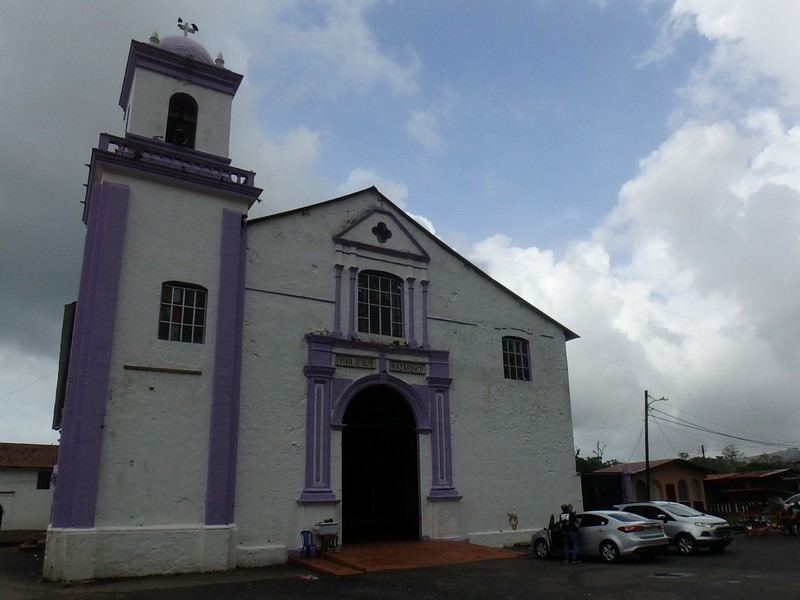
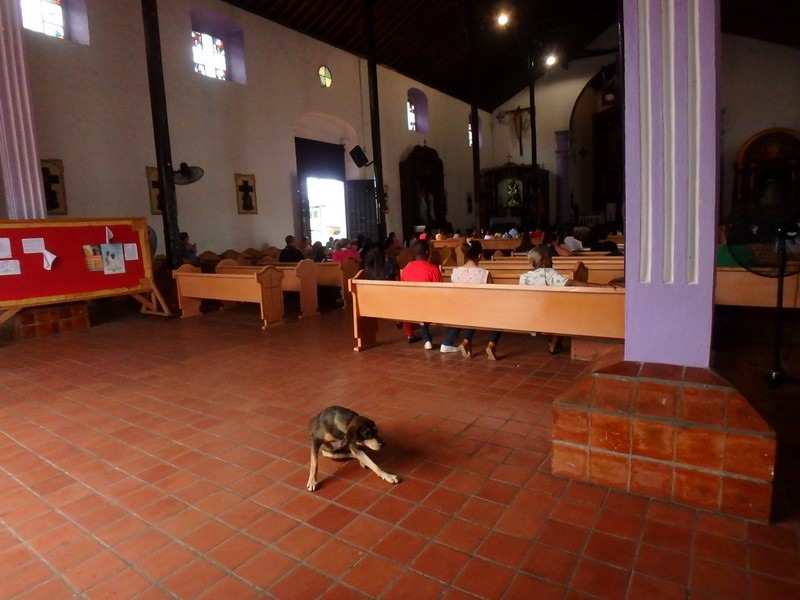
Church of San Felipe de Portobello
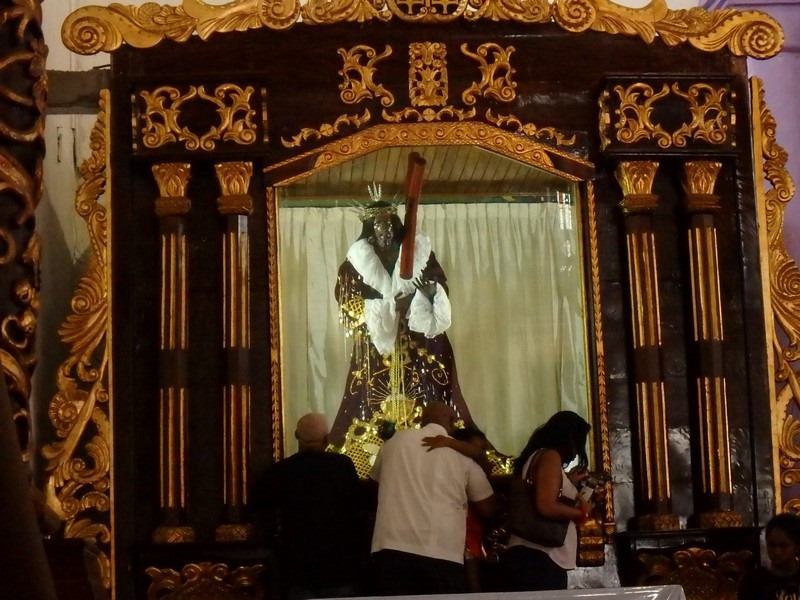
The church is located on the site of an older church built in 1814. A wooden statue of Jesus of Nazareth makes this church home. The statue has become holy and worshipped because miracles attributed to it. Every October 21st, the “Festival of the Black Christ of Portobello”, is celebrated. This local saint is worshipped by followers throughout Latin America. People walk on their knees from as far away as Costa Rica to pay their respects.

Leave a Reply