Oct 04

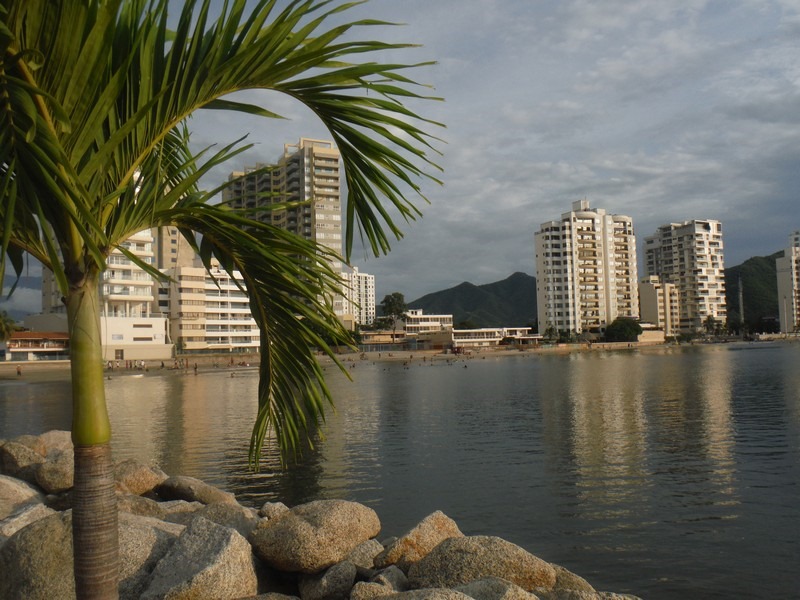
Back in Santa Marta, 2017

Number of View: 0

Image00001

We are back in Santa Marta, after a long summer with our family and friends. Wished we could have spent more time with each and everyone of you, but we had a lot to deal with. From the birth of a Grand-Son to the loss of a Parent, all I can say is, we had our hands full.

We had been worried about Mistress, our home, since the middle of the summer. We couldn’t get in contact with the marina, which only added to the stress. Friends here checked on her and reported that she was doing well, and looked good from the outside.

After a comfortable flight, even carried by Avianca crew, who were on strike, we arrived back at the marina early in the evening. It had been raining, the humidity around 80%, we will need to acclimatize once again. 

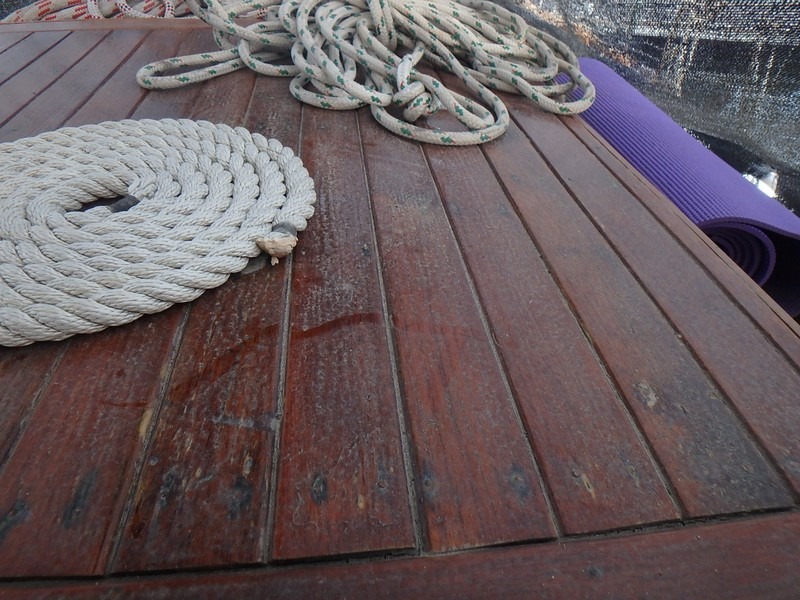
The strong sun has burnt the bright work, dust everywhere including inside the cabin, we need to clean…….Stem to Stern…….but first, clear a spot to sleep.  Tomorrow.

Image00001  Image00002

Image00006

Image00007  Image00008

Image00004  Image00005

Image00003  Image00009

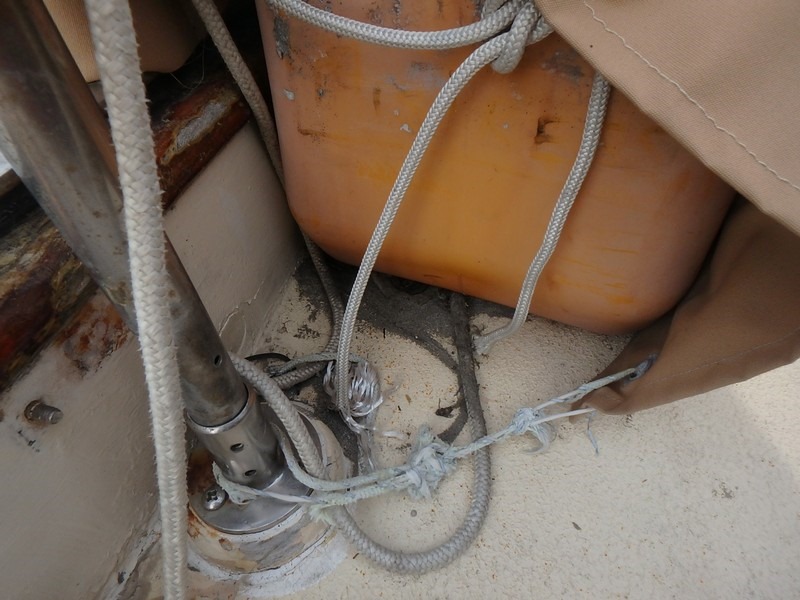
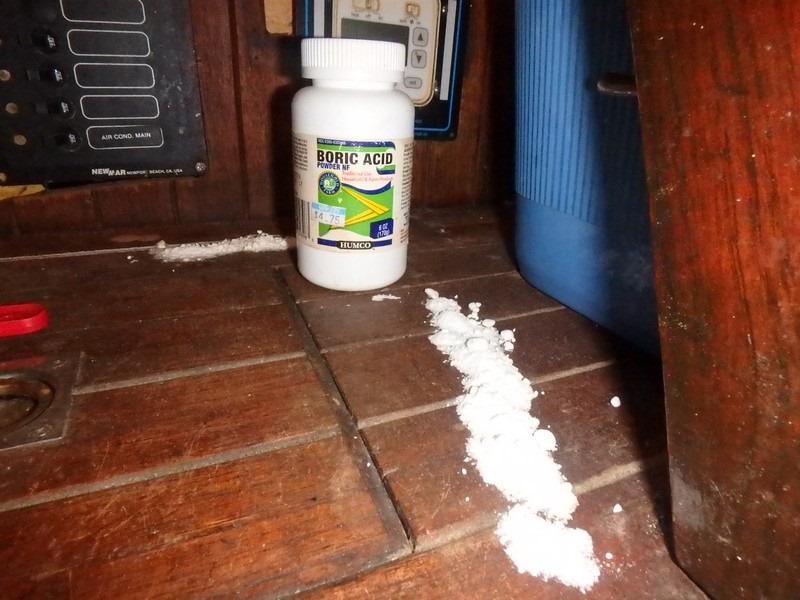
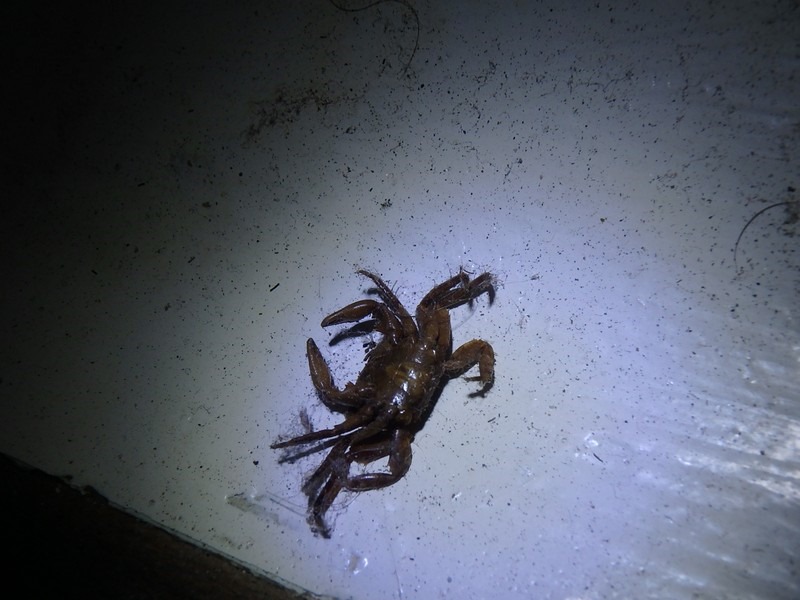
We did have a couple of residents move in while we were gone, a crab, and some type of animal that just left a mess. Both have moved on. We also had a can of beer, that we been stowing since we started this journey to offer to King Neptune. Sadly, it exploded in the heat.

Image00015  Image00016

Image00012

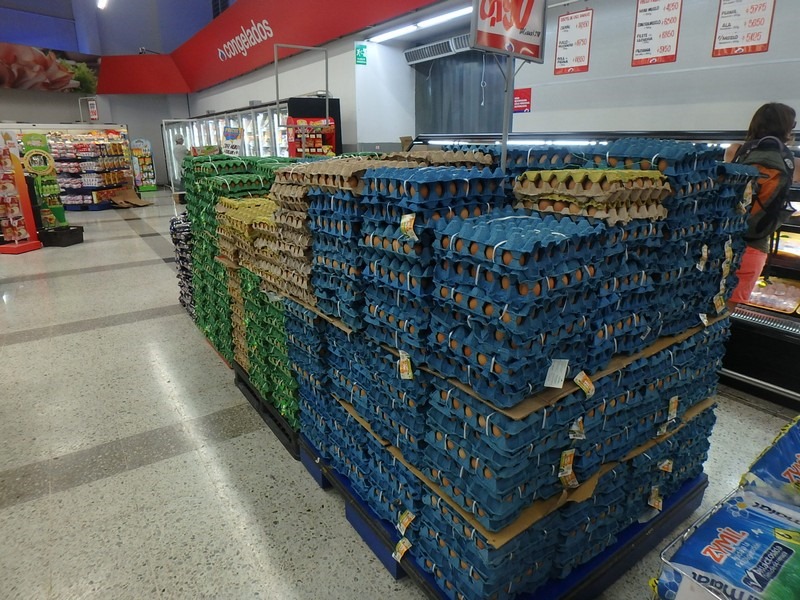
Seems like the local grocery store knew we were coming, it was decorated, and stocked up with beer and skids of eggs ( something I always find funny, unrefrigerated).

Image00010  Image00011

Image00004  Image00005

Image00002  Image00003

Image00001 

Nice to be back, now the task of getting ready to sail toward the San Blas Islands, and to mainland Panama.

May 12

Carnival 2017, Barranquilla, Colombia

Number of View: 0

Image00012

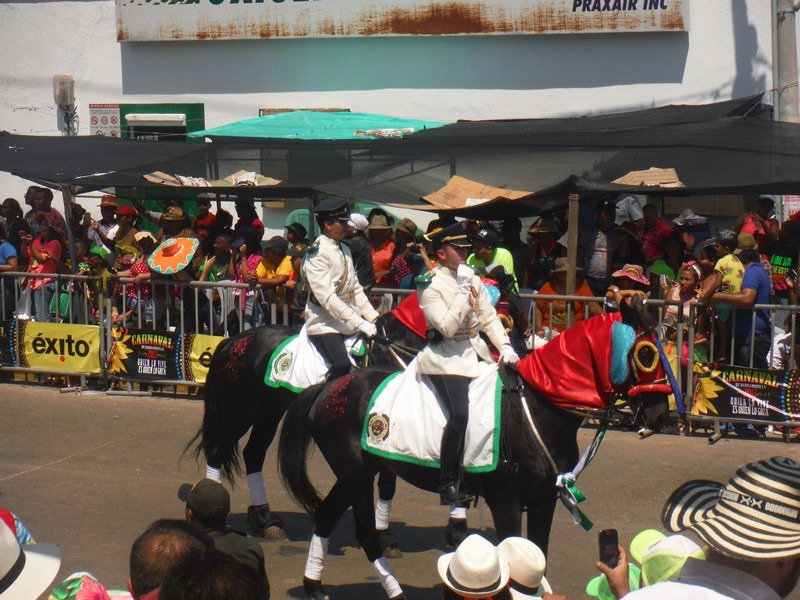
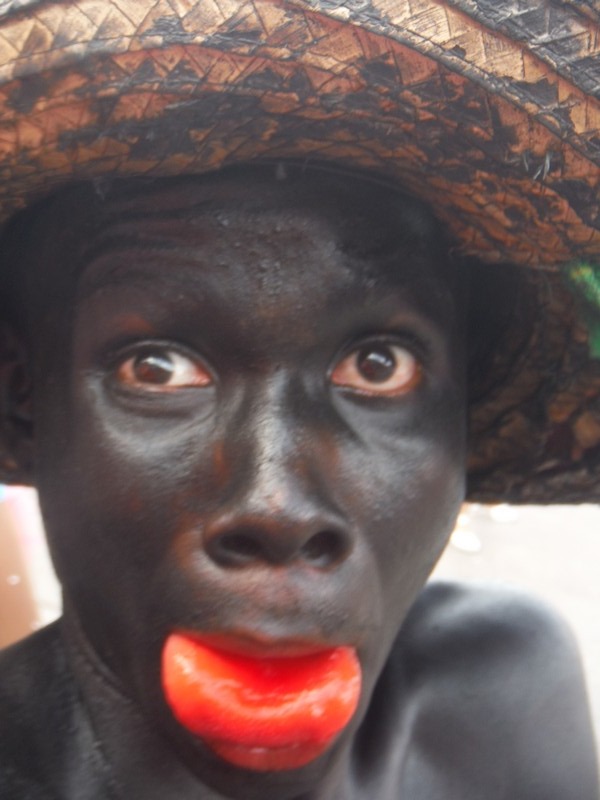
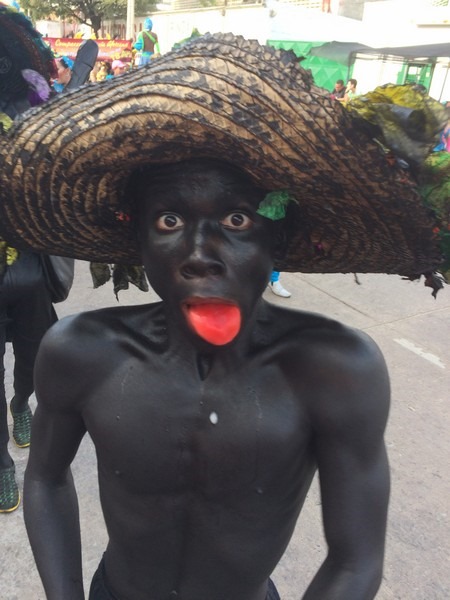
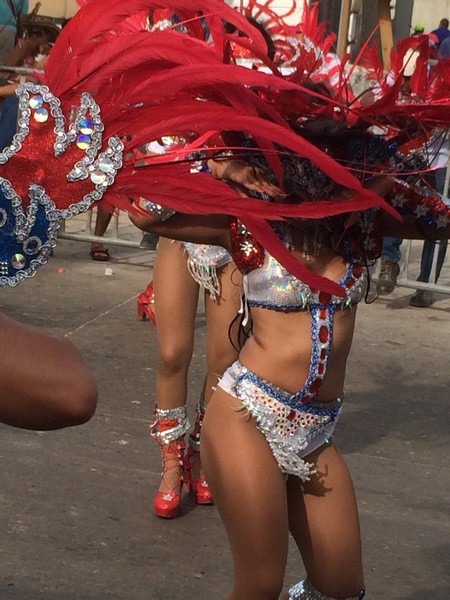
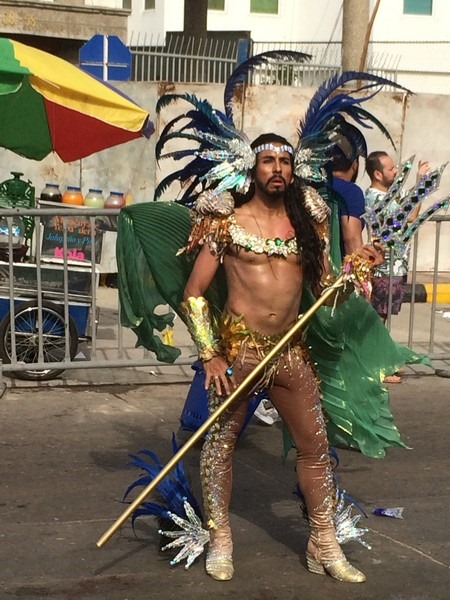
The Carnival of Barranquilla is without a doubt the most famous and internationally recognized event in Colombia. Eagerly awaited by the Colombians and all the people that want to discover and enjoy a cultural and folkloric event, the visiting crowd will encounter  activities and parades full of cultural diversity, happiness, joy and of course music. The Carnival of Barranquilla is the third biggest Carnival after the one of Rio de Janeiro and Venice. Every year, the Carnival begins 4 days before the Holy Wednesday while the most important day takes place on Saturday with the famous battle of flowers. During the battle, afro-indigenous dancers dance el Torito, el Diablo, la Conga (Congolese tango) and the Pilanderas. The event finishes with the symbolic funeral of “Joselito Carnival”.

Image00011  Image00006

   Image00007   Image00014 

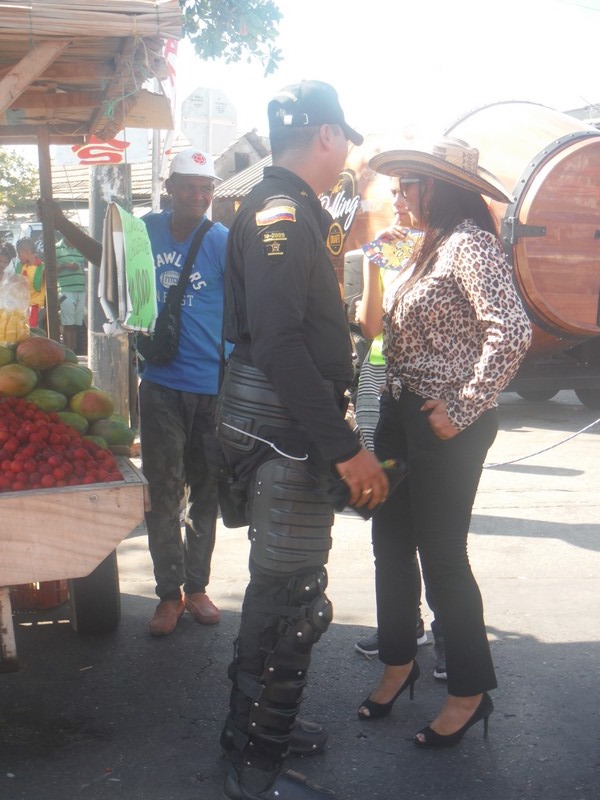
To get into the true spirit of Carnival, you must dress in party clothes, it also might save you from being foamed ……..Gringo.!!! 

Image00005  Image00006

Image00007

While Barranquilla’s carnaval may lack the publicity of it’s Brazilian cousin, it’s known to be just as spectacular. The Colombian carnaval takes place 40 days before Easter, this years carnaval takes place from February 25th-28th, 2017.

Starting as a muddle of pagan, catholic, and other ethnic festivities, it has come a long way from it’s humble roots. The Barranquilla carnaval is currently the second largest carnival in the world drawing over 500,000 visitors every year.

It has been declared by UNESCO to be a Masterpiece of Oral and Intangible Heritage of Humanity. For those travelers who aren’t convinced by those impressive facts the bold slogan should change your mind, “Quien lo vive, es quien lo goza” (Those who live are those who enjoy it).

Image00015

Image00008  Image00010

Image00009

Image00013    Image00016

Image00017  Image00018  Image00005

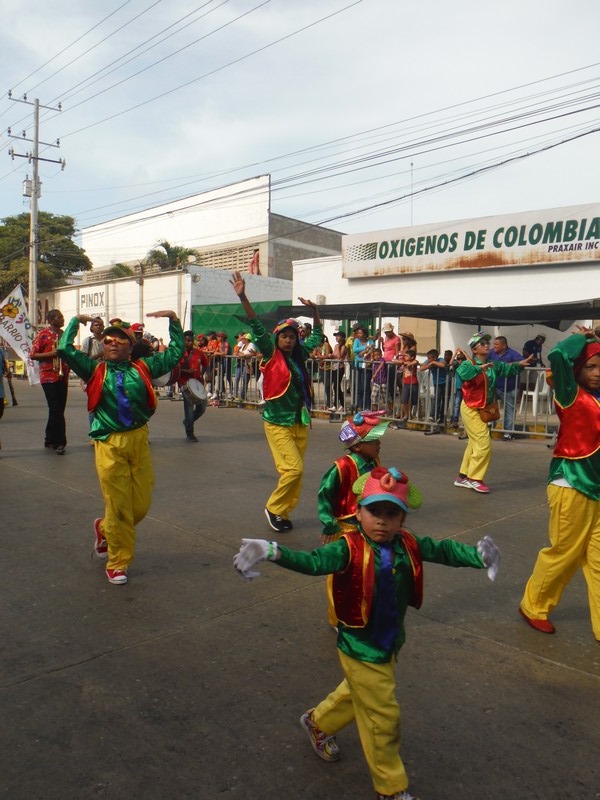
People of all ages participate in Parade.

Image00019  Image00020

  Image00002  Image00001 

Image00003  Image00004

The Greatest Party.

Also visit us on Youtube….Tutty Lee

http://www.patreon.com/svMistress


Apr 11

Bucaramanga, Parque National del Chicamocha

Number of View: 0

Image00001

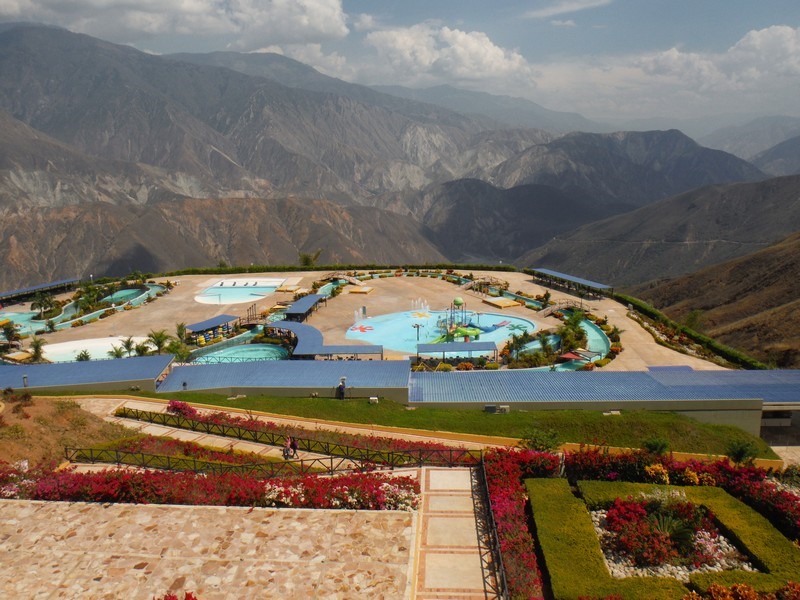
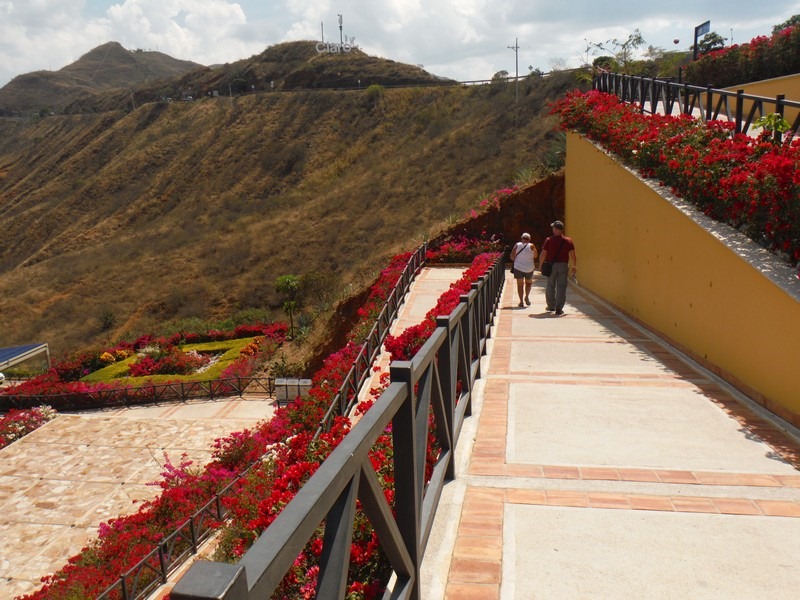
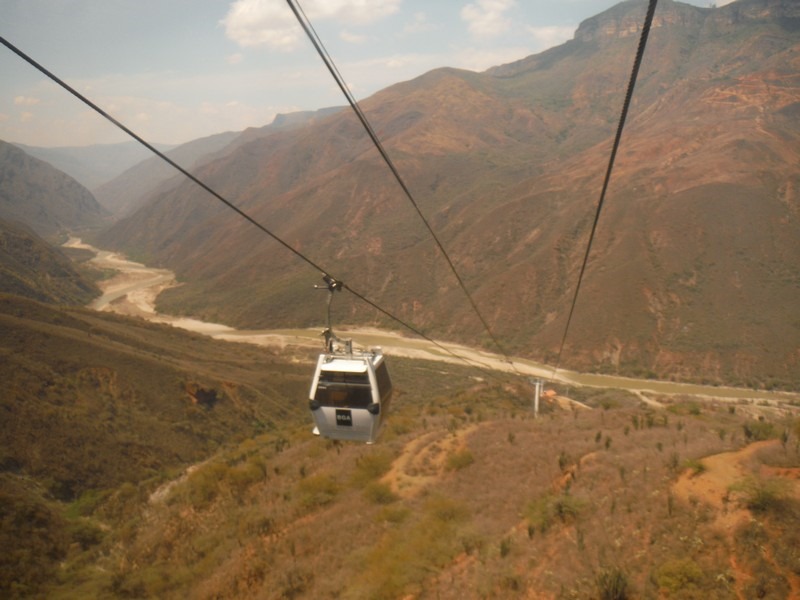
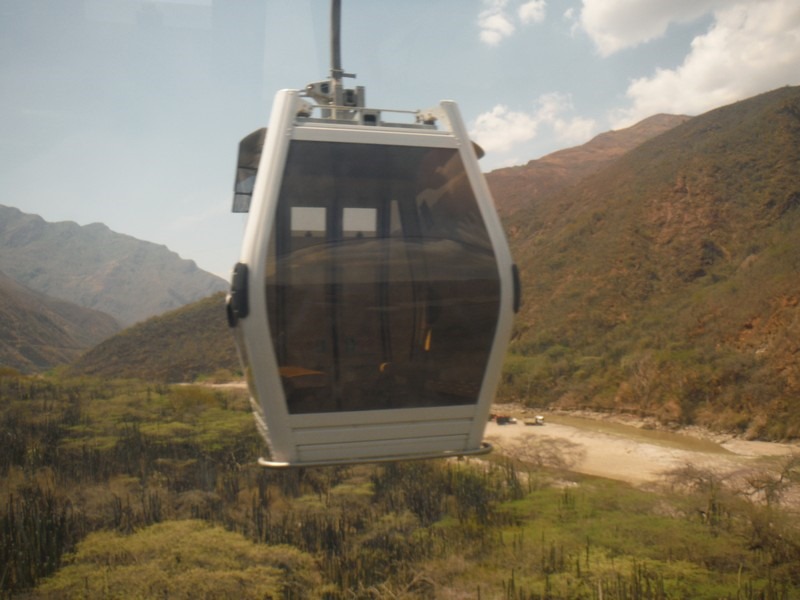
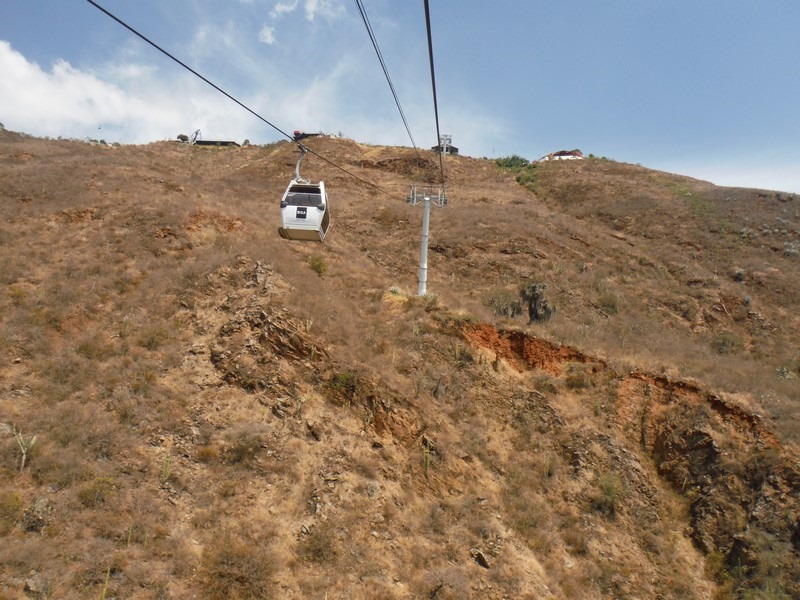
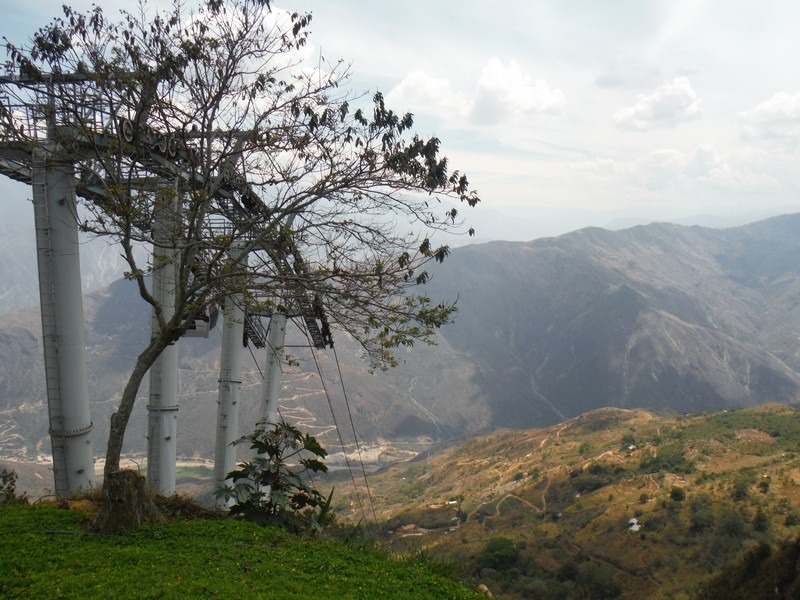
We took the bus out of a small bus station in San Gil, to an area known to have similarities to the Grand Canyon, in the U.S.. Parque Nacional del Chicamocha opened in 2006, from it’s 360o look out,  provides views of the majestic canyon. We chose to take the teleferico (cable car), 6.3 km which descends to the base of the canyon, then ascends to the top of the opposite rim, Mesaa de los Santos. The ride takes 22 minute, one way. They also offer paragliding for those that want to soar over the canyon below.  

Image00014  Image00015

Image00016  Image00017

Image00002

Image00003  Image00004

Image00005

Image00010  Image00012

Image00009

Image00006  Image00007

After lunch, everything closes for lunch, we caught the first cable car so we could spend some time in the waterpark to cool off. It was the middle of the week, but I’m sure, on week ends this place is packed.

Image00020

After a relaxing afternoon, a lady that works in the ticket booth went out to the highway, and flagged down a passing bus., We needed to travel into the city of Bucaramanga , where we could get a bus back to Santa Marta. Our land excursion coming to an end. 

Image00018  Image00019

Mar 11

Bogota de Santa Fe, Colombia

Number of View: 0

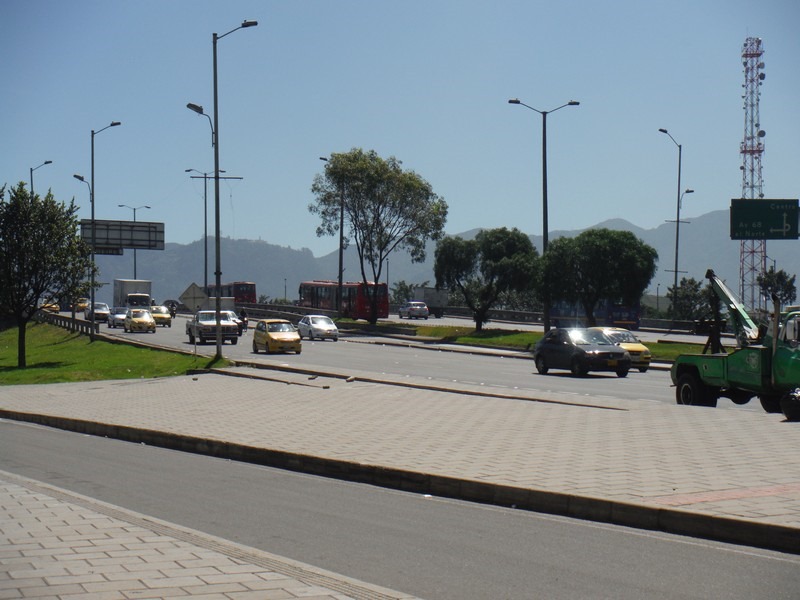
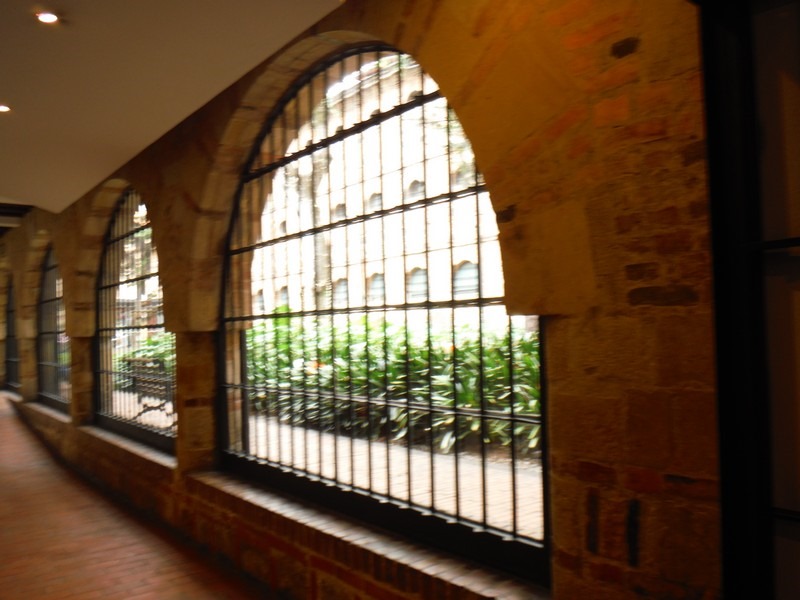
Even though this vibrant city is the capital, we didn’t think we would spend much time here. Known for it’s huge traffic jams which start early in the morning the city didn’t seem very inviting. We took a cab to the historic center , known as Candelaria  and walked around the preserved colonial buildings that house museums, restaurants, hotels, and bars amid the preserved 300 year old homes. Even though large urban centers is not our cup of tea, we are glad we took the time to spend some time , and  thoroughly enjoyed our time spent here.

Image00001 

Image00007  Image00001Image00003Image00006  Image00005

Image00013  Image00012

Image00008

Image00009  Image00014

Image00011  Image00010

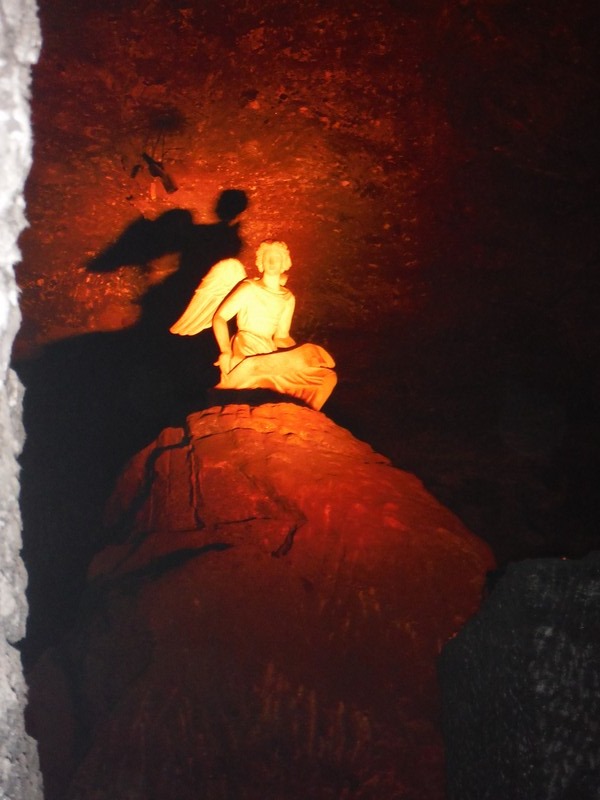
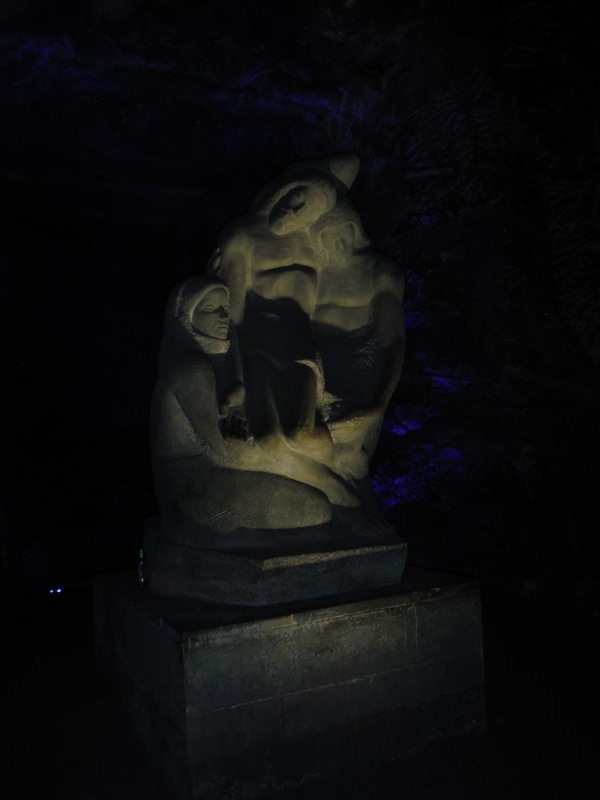
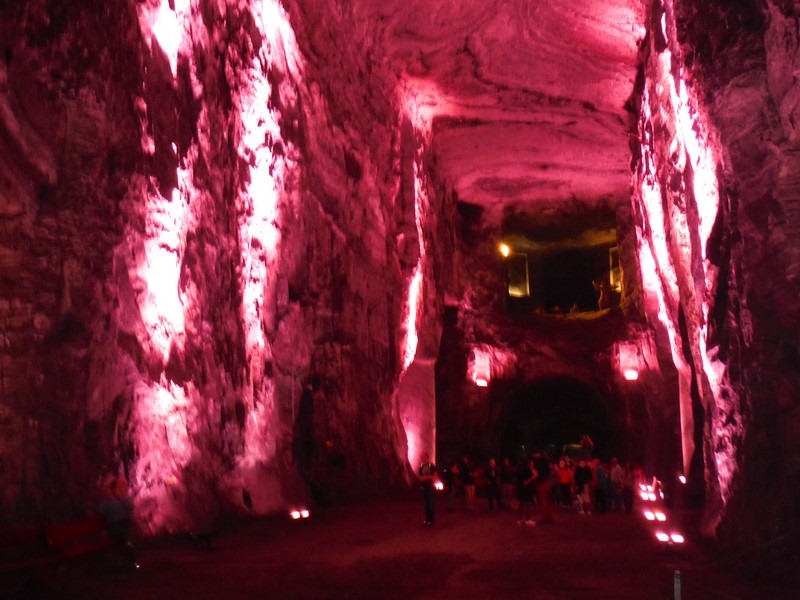
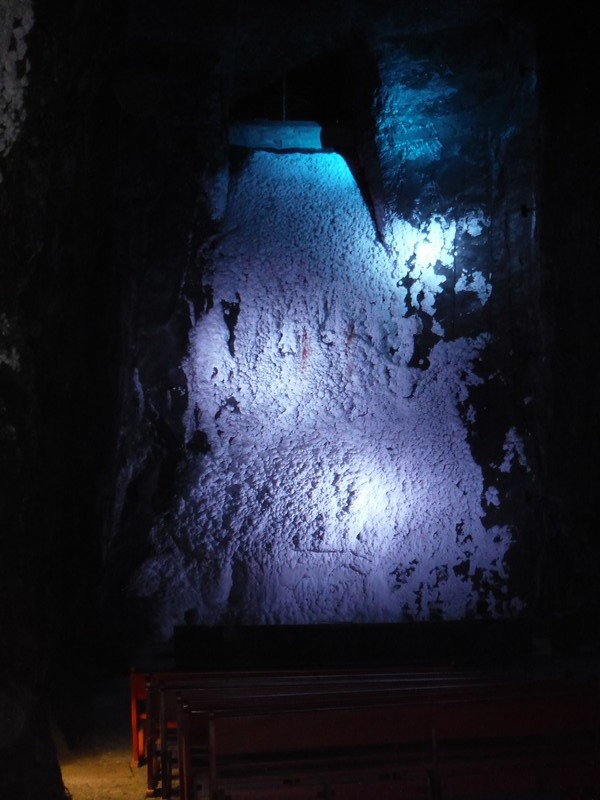
We took a bus from the north end of the city,  to the most popular day trip from Bogota to the small town of Zipaquira, 50 km. away. Here we found one of Colombia’s greatest architectural achievements, an underground cathedral carved out of salt, 180 meters below the surface, that can hold up to 10,000 people. Built by 147 workers,  it took 4 years to complete. The men were not paid for their work until the tours started generating income, they now earn a commission. Last year this attraction gave more than 5 million dollars to the town. who have used the funds to build universities.

Image00006

Look closely…..those are people standing near the alter

Image00008  Image00009

Image00012  Image00014

Image00011

Image00010 Image00004

Underground salt river with traces of gold

 Image00013

A salt carving in the wall of the tunnel

Mar 04

San Agustin

Number of View: 0

Image00029

Getting to San Agustin was not easy, we travelled on a bumpy dirt road for approximatly 4 hours, the only road from Popayan, only 136 km. away. Large commercial trucks also use this same road so at times it becomes quite congested. We were glad when we arrived in town and were met at the small bus station by the town tour guide who directed us to the nearest grocery store, then arranged a special cab to take us to our hostel, high in the mountains where normal cabs don’t go. Most taxi’s are small compact cars that have a difficult time with 4 travellers with backpacks.

Our hostel, Pachamama, turned to be a picturesque location overlooking the valley below surrounded by coffee and fruit trees. I think the ducks and chickens in this country have insomnia, making noise all hours of the night but we had very comfortable rooms with a hearty breakfast each morning.

Image00033  Image00030

Image00003

Image00032  Image00031

Image00039  Image00040

Image00034  Image00041

We could easily walk to town, going down the mountain was OK, coming up we stopped only to be passed by the locals who smiled as they walked by. Horses are  the main way to get around and the best to explore the countryside, but walking is also enjoyable in the fresh mountain air.

Image00036

Image00035  Image00037

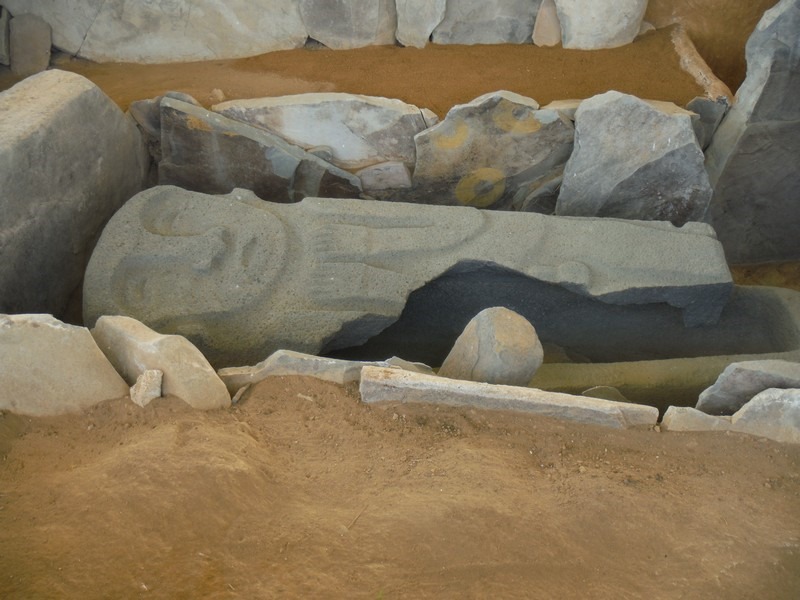
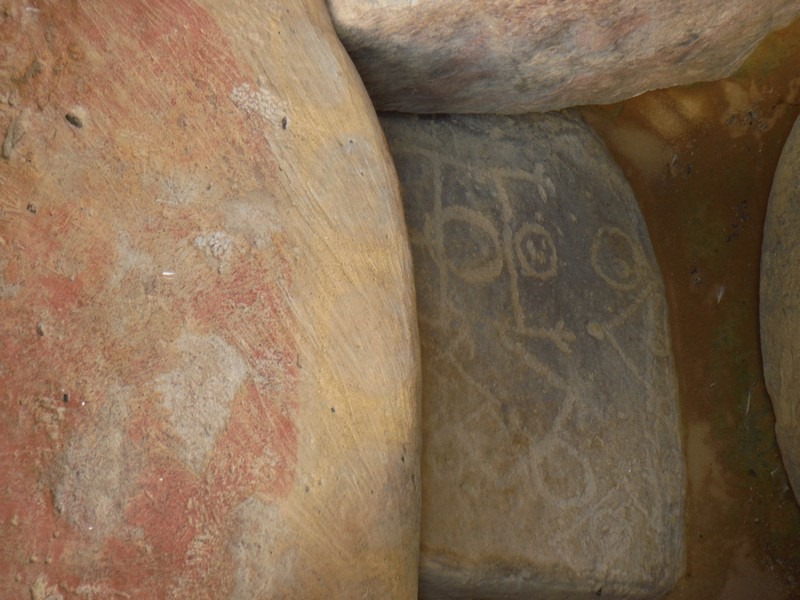
Five thousand years ago this area was inhabited by two indigenous groups that lived near San Agustin. Very little is known about them, they had no written language and had disappeared before the Europeans arrived.

They left behind more than 500 statues scattered in the hills around here, along with a number of tombs. This is the most important archeological site in Colombia, and the  government has done a fantastic job in preserving these locations, and takes pride in displaying them to the world.

Image00016

Image00018  Image00023

Image00014  Image00017

Image00013  Image00014Image00002

Feb 26

Popayan

Number of View: 0

Image00024

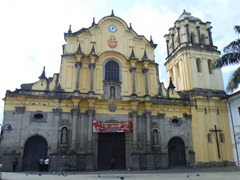
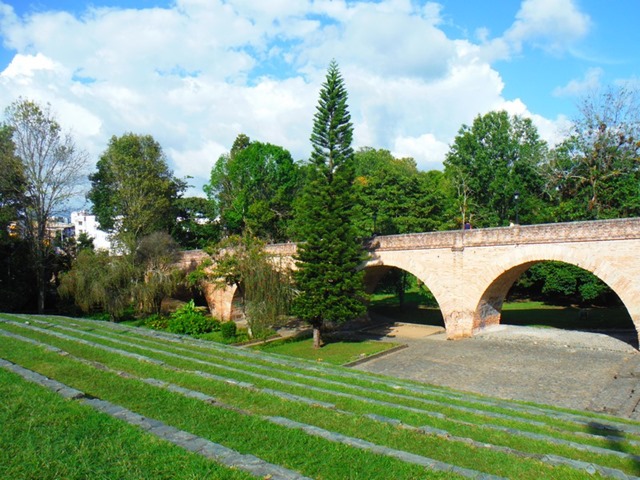
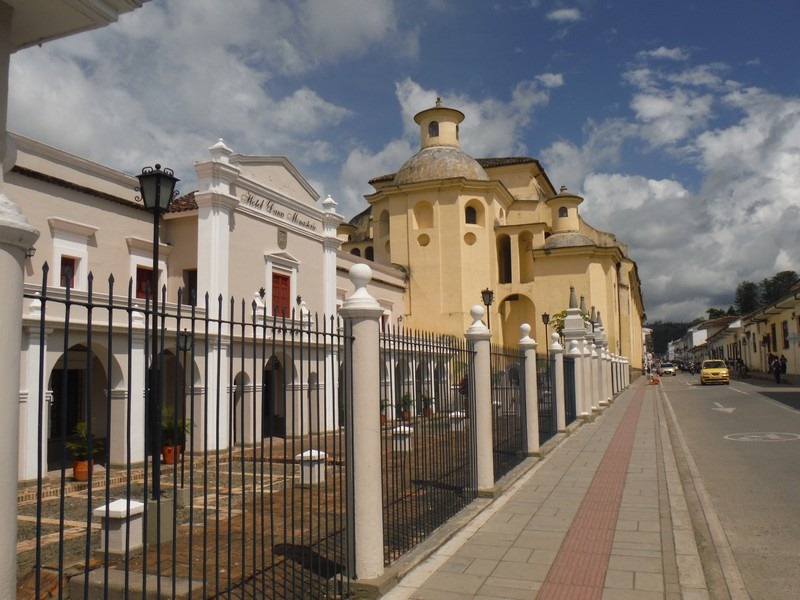
This small colonial city is famous for it’s chalk-like facades( its nickname is “ La Ciudad Blanca, or The White City”), and is second only to Cartagena as Colombia’s most impressive colonial settlement. It sits beneath towering mountains in the Valle de Pubenza, and for hundreds of years was  the capital of southern Colombia, before Cali overtook it.

The town was founded in 1537by Sebastian de Belalcazar, and became an important stopping point on the road to Quito, Ecuador. It’s mild climate attracted wealthy families from the sugar haciendas of the hot Valle de Cauca region. In the 17th century they began building mansions, schools, and several imposing churches and monasteries.

In march 1983, moments before the much celebrated Maundy Thursday religious procession was set to depart, a violent earthquake shook the town, caving in the cathedral’s roof and killing hundreds. Little damage is visible today.

The city has numerous universities and during the day the streets are filled with students.

Image00025  Image00026

Image00028   Image00027

Image00030  Image00029

Image00037  Image00033

Image00039

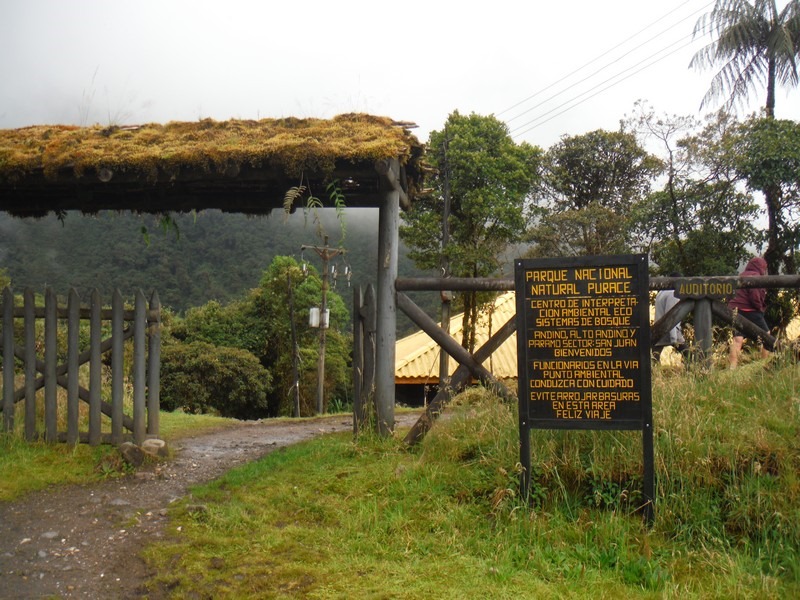
Forty-five kilometers east of Popayan along an unpaved road to La Plata lies a 830 sq/km National Park ( Resguardo Indigena Purace ). The vast majority of the park lies within the reguardo ( official territory ) of the Purace indigenous group.

At this time , the indigenous community has taken control of the park following a dispute with the national government over it’s management. If you ask at any national park or official government tourist office they will tell you that the park is closed, however the community is still accepting visitors and is dedicated to expanding it’s fledgling ecotourism program. In addition to an entrance fee, each group is required to hire an indigenous guide to explore the park.

Image00009

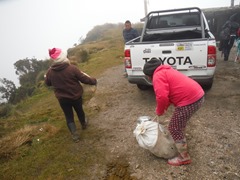
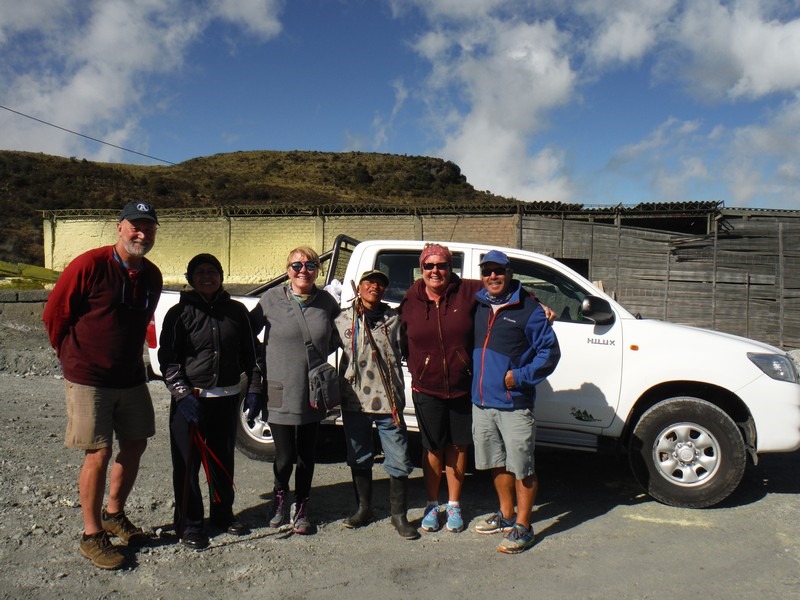
We had every intention to climb to the top of the volcano, I just wished we had done more research. After stopping at the small village, where our guides loaded supplies and rode in the back of the pick-up to a cabin at the start of the trail. They had us hold hands and asked the gods for guidance and protection so we would be safe walking to the summit to view the volcano.

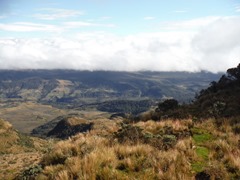
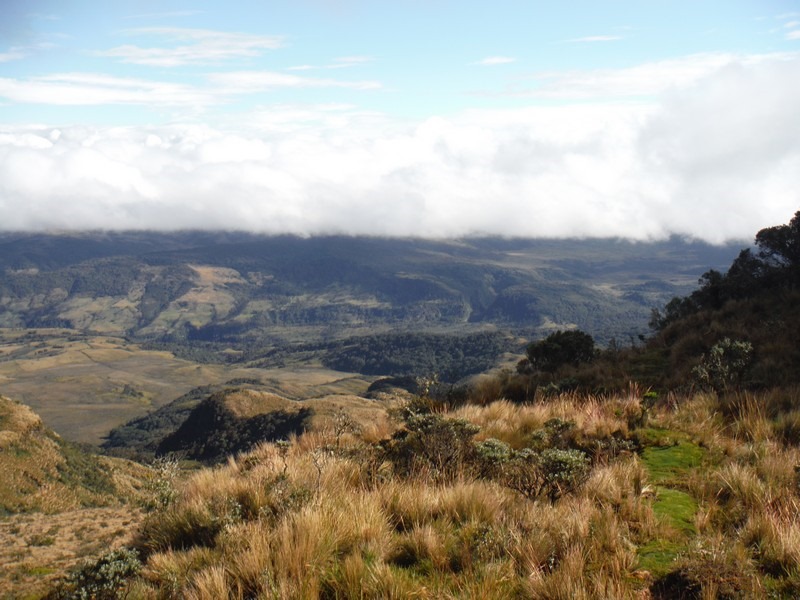
The wind was howling and the temperature must have been hovering around zero, the altitude stealing our breath. It wasn’t meant to be, one by one we gave up.

Image00004  Image00008

Image00003  Image00006

Image00010

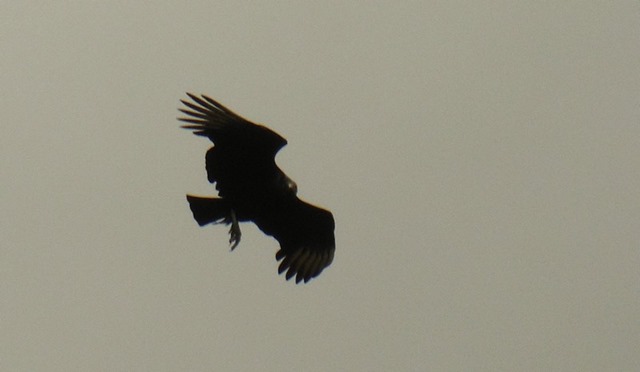
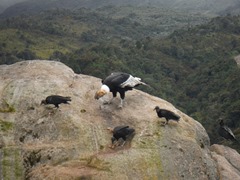
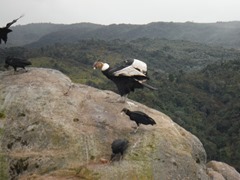
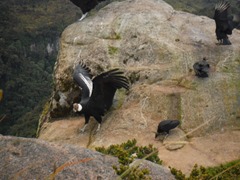
Our 2 guides eager to show us there land, told us they wanted us to see their most sacred area where we could see, and get close to Condors, noted to be the largest birds of the world. What started out with just 1 mating pair has become quite a success. Their wings spanning 10 feet or more as they glide serenely above Colombia’s Andes, condors are majestic physical specimens. They have been important symbols here since pre-colonial times, when indigenous tribes saw them as messengers of the gods and harbingers of good fortune.
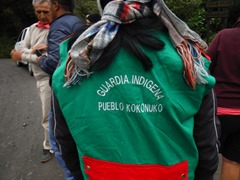
Image00022  Image00023

Image00011

Check out the YouTube video on Condors

https://youtu.be/TfzUzUe7dTo

Image00017  Image00016

Image00018  Image00019

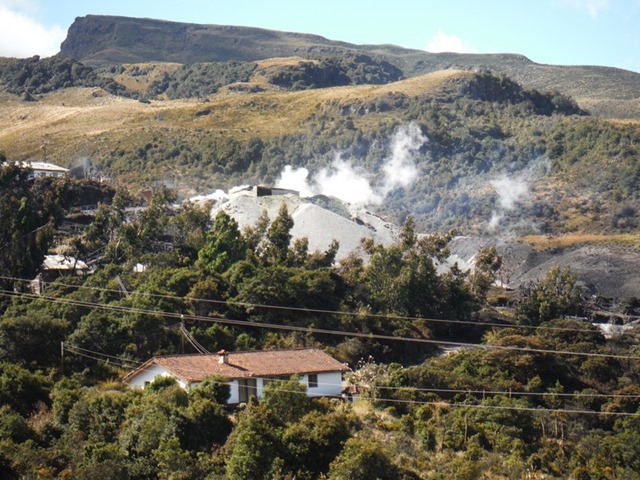
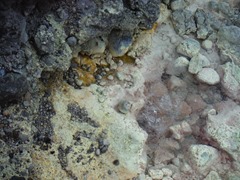
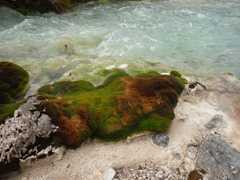
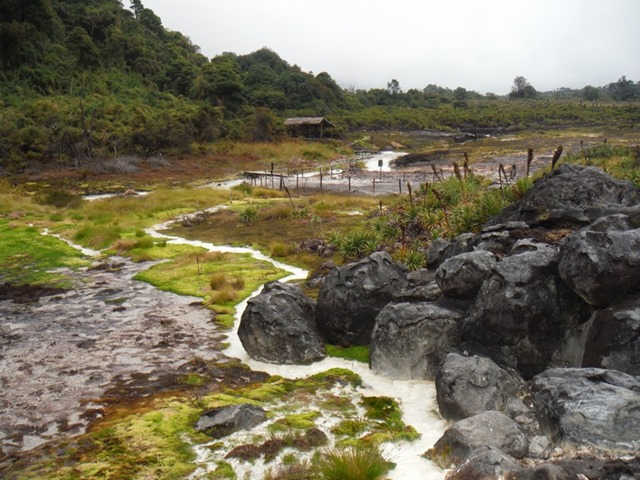
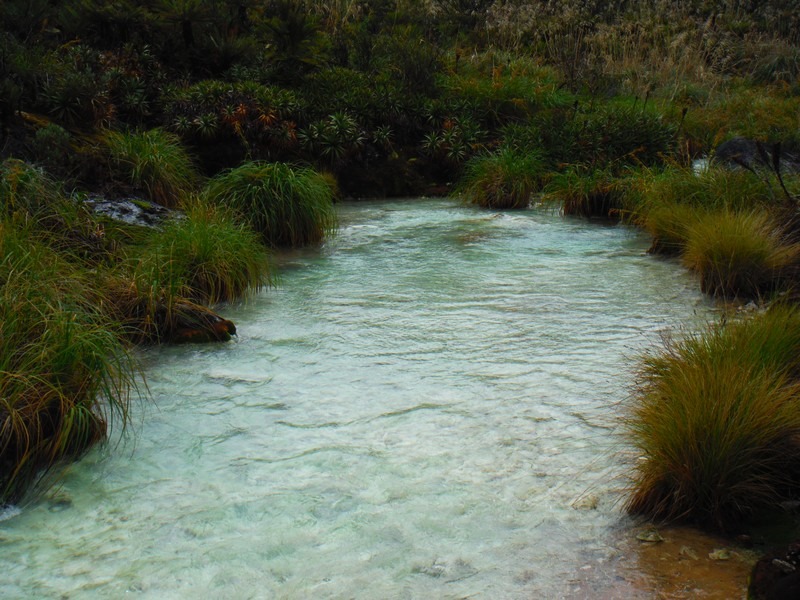
We were also were shown the Termales de San Juan, which are on a high mountain plain (3200m), what an amazing area. These hot springs can not be bathed in due to the heat and the high acid content with the smell of rotten eggs.

Image00021  Image00026

Image00028  Image00029

Image00027  Image00030

Image00031

Feb 21

Cali

Number of View: 0

Image00007

Cali is rich in Afro- Colombian heritage; nowhere is the nations racial diversity and harmony more apparent than here. From the impoverished barrios to the slick big clubs, everyone is moving to one beat, and that beat is salsa. Music here is much more than entertainment, it is a unifying factor that ties the city together.

We arrived after a 50km bus ride from Armenia, not knowing exactly what we wanted to see, just knowing that we wanted to learn to dance. We had chosen a hostel in the barrio of San Antonio, the Hotel Terraza de San Antonio, a fantastic old restored building.The neighborhood has lots of great places to eat at great prices.

Image00001  Image00002

Image00003  Image00009

Image00008  Image00005

DSCF0022       Image00017

We visited museum and the botanical garden, where we were escorted by a police officer to make sure no harm came to us as we walked the trails. Apparently it is not in a good area, but after the tour we walked back to town, we were fine.
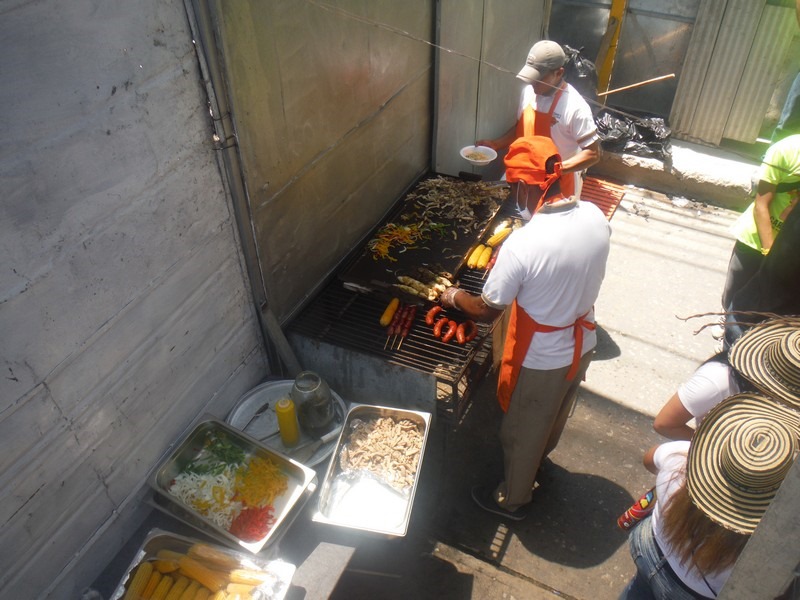
Image00010

Image00011  Image00012

Hugging this tree is suppose to bring you good luck, while a little farther down the path is the plant that caused so much problems……Coca.

Image00013  Image00014

Image00015

Head phones …..Cali style

Image00016  Image00017

Image00022   Image00023

We never did get to go inside the club where they teach you how to salsa, they wouldn’t let us in without the right shoes and we were suppose to be wearing the correct clothes. Oh well, we’ll have to sail to Cuba.
Image00021

Feb 08

Manizales

Number of View: 0

Image00002

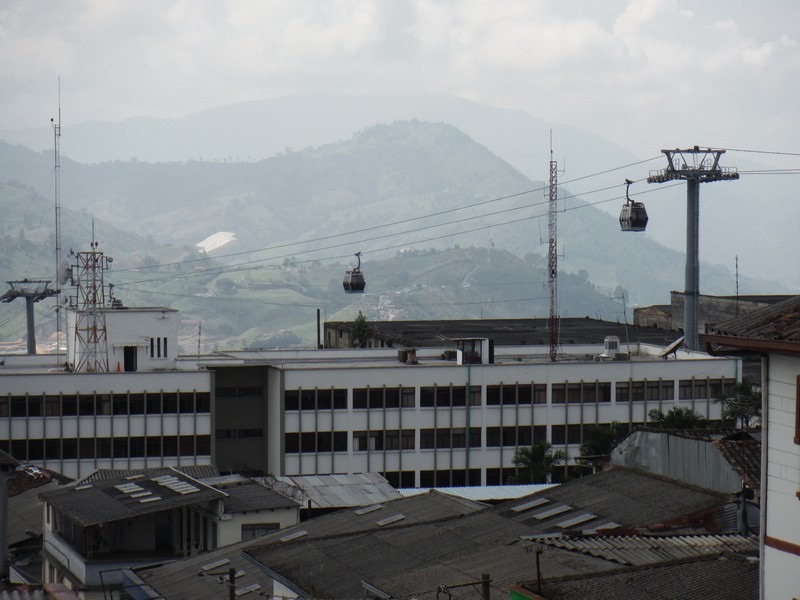
We left Medellin early to make our way by bus to the next town on our tour of Colombia. There are quite a few different bus lines, as you enter the station people are steering you toward their company. We chose one and after a short wait we boarded and were making our way to Manizales. The ride can only be described as exciting, part fast travel,  part white knuckle racing. The drivers mission is to pass every vehicle he comes upon, No passing zones or blind mountain curves makes a difference. 

Manizales is a city in the mountainous coffee  growing region of Western Colombia. Its know for its cultural events, steep streets, and views of the nerarby, Nevado del Ruiz volcano. Central Bolivar Square has a man- condor sculpture honouring revolutionary leader Simon Bolivar The city’s neo Gothic cathedral Basilica of, Our Lady of the Rosary has a roof top view.point. The neo-colonial governs palace is nearby.

Image00057

Image00047  Image00049

Image00050  Image00054

Image00055  Image00056

Image00053  Image00052

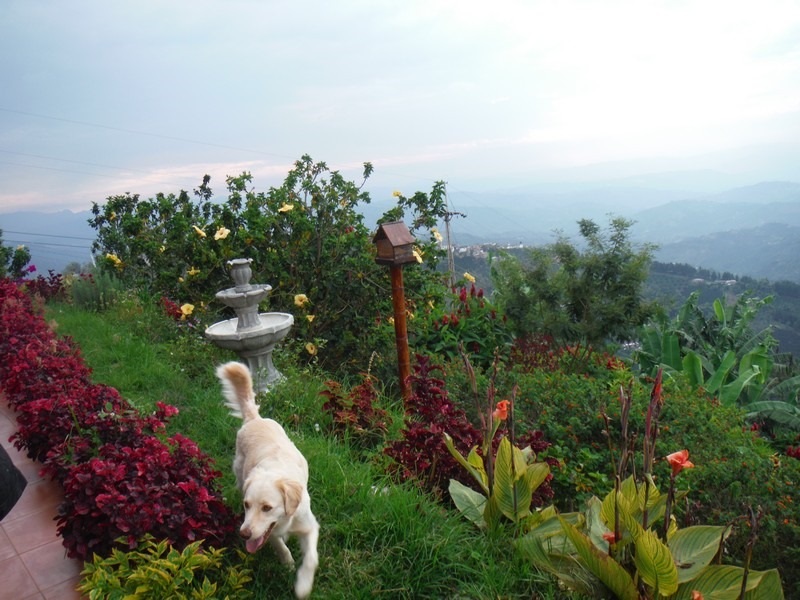
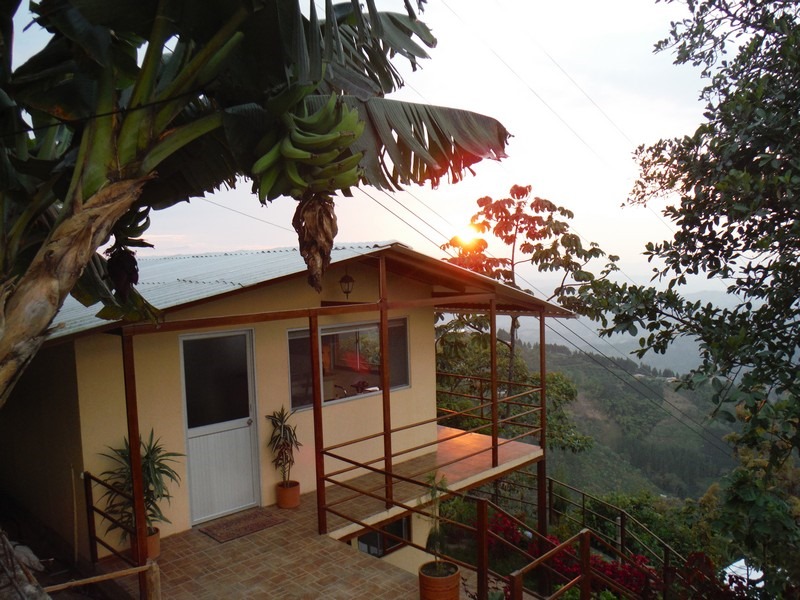
During this whole trip, Muriel as our agent has been picking lodgings from the internet and again she picked a fantastic place. Owned by a fellow Canadian,  the,   “ Mirador Finca Morrogacho “ turned out to be a highlight.

Image00034

Image00035   Image00004

Image00044  Image00045

Image00039  Image00040

Image00042  Image00043

Just a cheap taxi ride outside the town are the termales ( hot springs), so after a morning hike down to a waterfall on the farm property we decided to soothe our sore muscles.

Image00060

Check out the video of our waterfall hike

 https://youtu.be/E2RUeUi-MSg


.   .